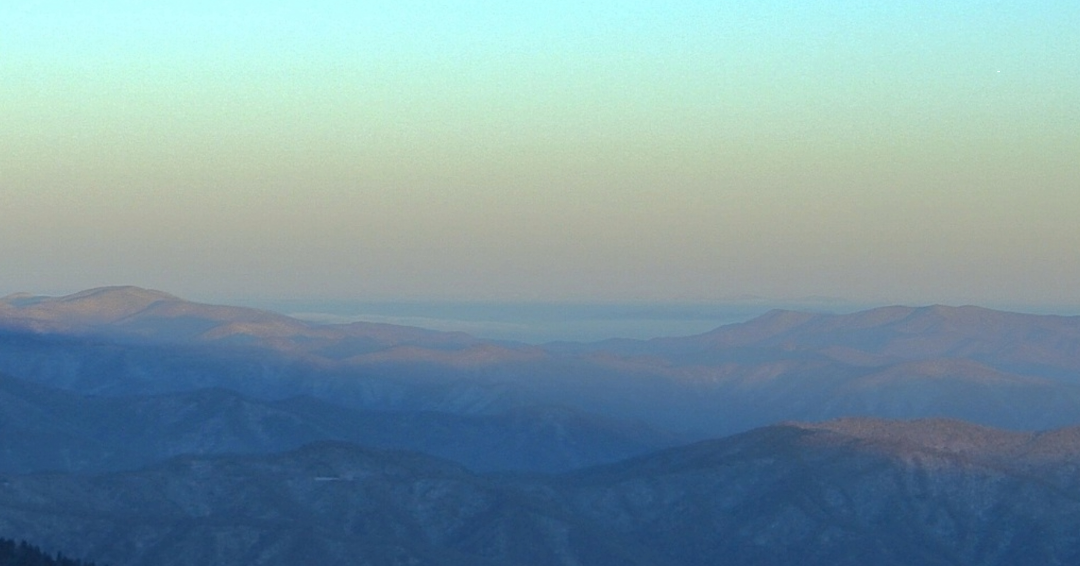
America The Beautiful: Praise For Our National Parks
Here in the United States, our National Park System maintains over 400 preserved areas of land including national monuments, historical sites, and recreational areas. Our nation’s 63 national parks showcase the most breathtaking natural wonders from coast to coast.The National Park Service was established in 1916 by President Woodrow Wilson, who signed the National Park Service Organic Act. Since then, the longstanding mission of the service has remained: to preserve our national heritage, protect the integrity of our land, and display the natural phenomenon and history that defines our great country.
Public access to parks and resources provided by the National Park System and its tireless employees has allowed for generations of recreational enjoyment, inspiration, and environmental education nationwide. The National Park Service continues to work towards creating and maintaining an environmentally sustainable future.
Great Smoky Mountains National Park
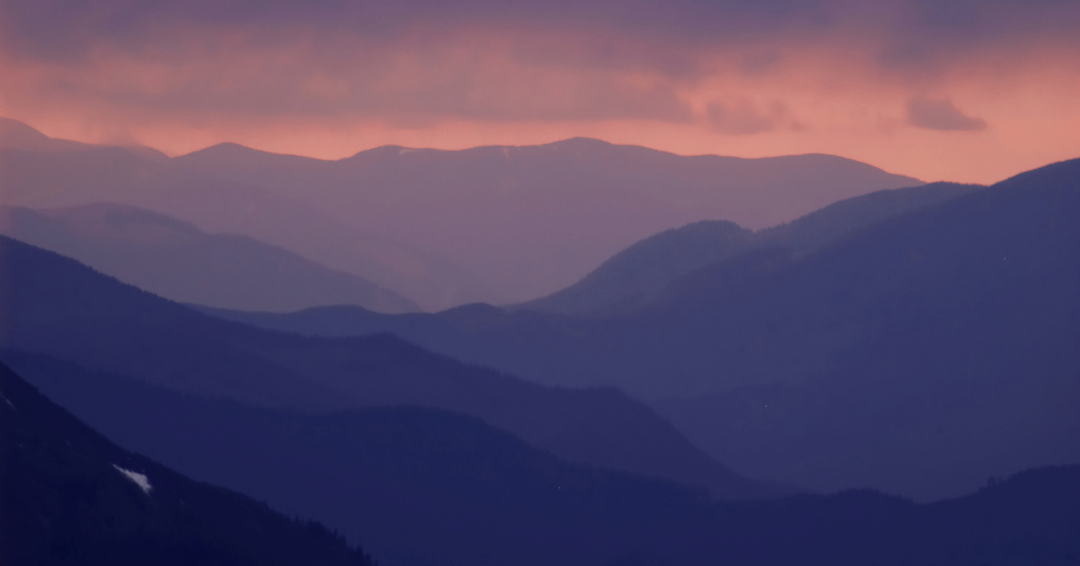
The Great Smokies are said to be earth’s oldest mountains. A subrange of the Appalachian Mountains, The Great Smoky Mountains stretch over the border of North Carolina and Tennessee and are known for the blue haze that often gathers in valleys and above the peaks like smoke. This title is said to have originated with the Cherokee people who once resided in the mountains. They called the region “Shaconage” or “place of blue smoke.” With the blue mountain majesty as its centerpiece, Great Smoky Mountains National Park was established in 1934, following President Calvin Coolidge’s signing of a 1926 bill declaring the conservation of the land. By 1934, the states of Tennessee and North Carolina had donated 300,000 acres for park preservation. Another 150,000 acres was purchased from land owners, the money for which was raised by state legislatures and citizens. In 2025, Great Smoky Mountains National Park spans 522,419 acres across Tennessee and North Carolina, with 850 miles of trails. Popular exploration opportunities across the expansive park include scenic drives, wildlife viewing, hiking, and historical sites. Tried and true, Great Smoky Mountains National Park is known to be the most frequented national park in the country, hosting visitors from all around the world year round. In 2024, the park welcomed more than 12 million guests.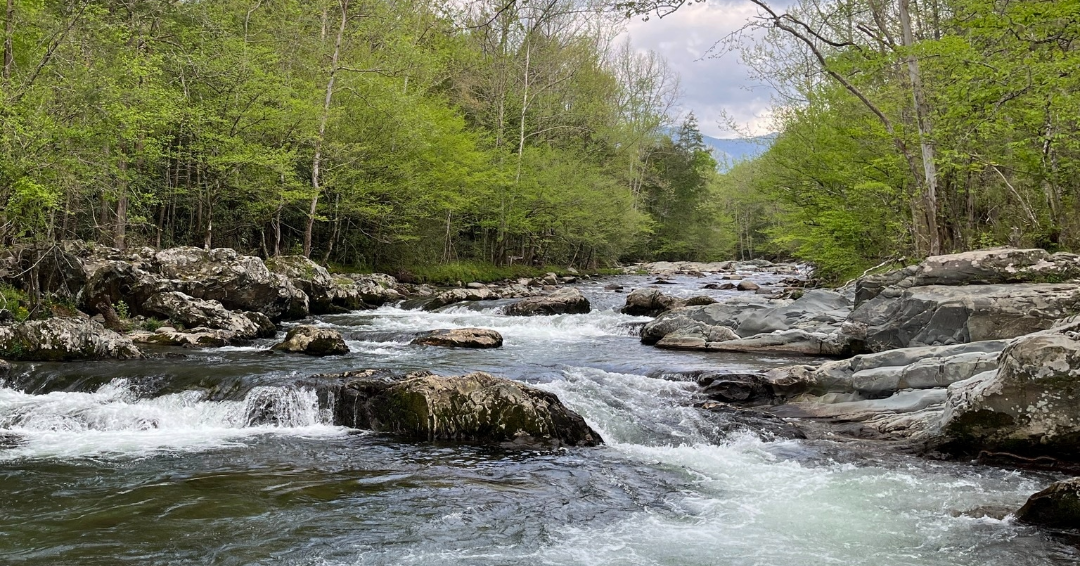
Quick Facts About Great Smoky Mountains National Park
- Common wildlife to be on the lookout for in the park includes black bears, red foxes, gray foxes, coyotes, bobcats, wild turkey, white-tailed deer, Eastern cottontail rabbits, river otters, wild boar, and elk.
- The park is home to more than 100 different species of trees, the most common being red spruce trees and Fraser fir, which grow abundantly at the park’s higher elevation points.
- A showstopper in the spring, the park is home to over 1,500 types of wildflowers.
- There are several incredible waterfalls in and adjacent to the park. The most popular include Laurel Falls, Abrams Falls, Baskins Creek Falls, Grotto Falls, Cataract Falls, Ramsey Cascades, Mingo Falls, Hen Wallow Falls, Mouse Creek Falls, Rainbow Falls, The Sinks, Meigs Falls (The most accessible waterfall in the park), and Place of a Thousand Drips.
- There are special events and festivals held throughout the year in the mountains, including the Spring Wildflower Pilgrimage, Mountain Life Festival, the Cosby Mountain Music Summer Series, Old Timers Day, Smoky Mountain Harvest Festival, Holiday Homecoming at Oconaluftee, the Festival of Christmas Past, and Music of the Mountains.
Traveling From Williamson County
In proximity to Franklin, the closest welcome center and trail head of the park is Sugarlands Visitor Center, located 2 miles South of Gatlinburg, Tennessee. This serves as the park’s main northern entrance, and is the the closest direct destination from central Williamson County. From downtown Franklin, it’s about a 4.5 hour drive (or approximately 240 miles) to Sugarlands Visitor Center. The center is open year-round, except for Christmas Day, and includes helpful park information, guest services, museum exhibits, and souvenirs. The second closest visitor center is located in Townsend, Tennessee.- Sugarlands Address: 1420 Fighting Creek Gap Road, Gatlinburg, TN 37738
- Townsend Address: 7906 E Lamar Alexander Parkway, Townsend, TN 37882
Some Things To Keep In Mind
- Cell-phone service on the trails can be spotty, so it’s wise to keep a physical map on hand while exploring Great Smoky Mountains National Park. You can find maps at the visitor centers.
- Make sure to familiarize with and comply with park laws and policies as they’re in place to ensure your safety, the safety of other park guests, and the protection of wildlife within the park.
- For 2025-2026 visitors of the park, keep in mind that Laurel Falls, the most frequented falls at Great Smoky Mountains National Park, is closed for a rehabilitation project.
- Summer and fall are the busiest seasons at the park. Historically, attendance peaks in July. October through November is also an extremely popular time of year due to the gorgeous foliage that can be witnessed throughout the park.
- During busy seasons, its a good idea to book overnight stays well in advance and to get an early start on hiking days. Early June, mid-to-late September, or March through May are good times to visit if you’re looking for smaller crowds and more affordable stays.
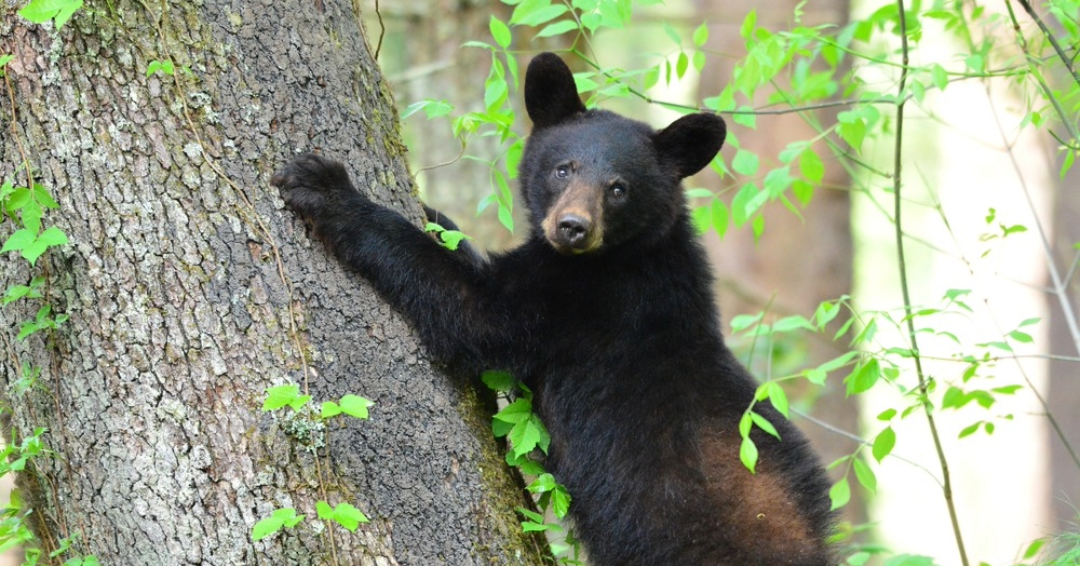
- The Smoky Mountains are home to several species of wild animals, including black bears. Although they typically avoid humans, it is wise to bring along bear spray, just in case. (Side note: if you’re flying in, bear spray is not permitted on aircrafts, even in checked luggage).
- As with any hiking trip, it’s a good rule of thumb to bring along a backpack of essentials. An emergency kit, extra water, and packaged snacks will certainly come in handy on the trails, ensuring your adventure goes down without a hitch.
Where to Stay In The Smokies
- If you’re looking to camp at the park, there are several different options including frontcountry camping, backcountry camping (permit required), group campgrounds, and horse camps. Most sites are available seasonally, with frontcountry campgrounds Cades Cove and Smokemont available all year round. Prices and regulations vary.
- The only lodging directly within Great Smoky Mountains National Park is LeConte Lodge. Situated on top of Mt. LeConte in Gatlinburg, it’s the highest guest lodge, in terms of elevation, in the Eastern United States. With 7 rough-hewn cabins and 3 multi-room lodges, LeConte Lodge can accommodate up to 60 guests per night. Every unit is equipped with kerosene lanterns, propane heaters, wash basins, and linens. Family-style meals are available in the lodge dining room. An ideal stay for those trying to unplug, there is no electricity at the lodge. Keep in mind that access to the lodge also requires hiking several miles up the mountain or use of shuttle services provided at trailheads. The lodge is open March through November and the perfect option for anyone looking for a true adventure in the mountains.
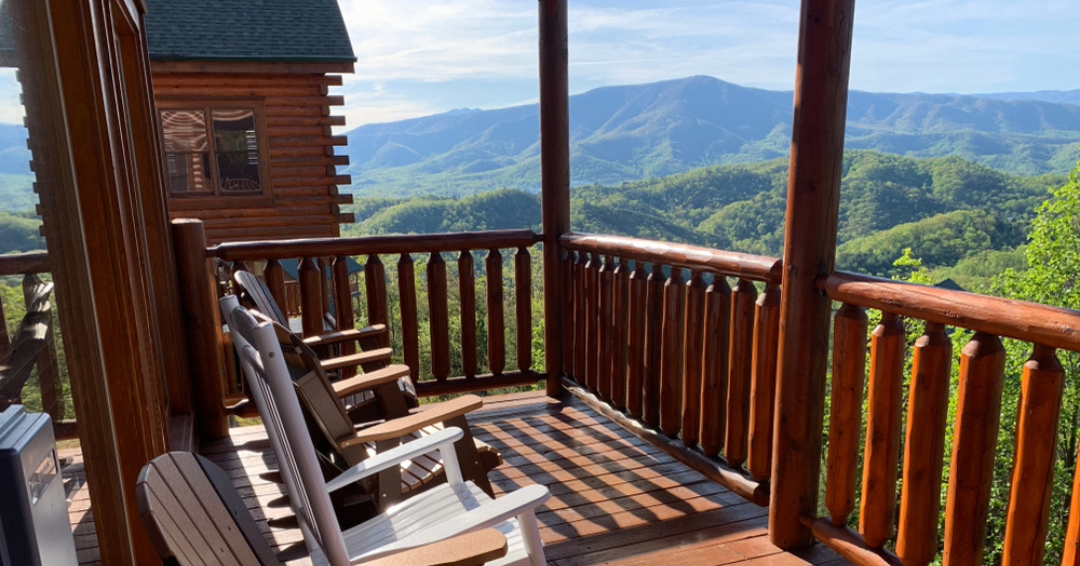
- If you’re on the lookout for individual cabin stays, there are a variety of Airbnb options throughout Sevierville, Townsend, Gatlinburg, and Pigeon Forge that may be a great fit for you and your group. Pigeon Forge and Gatlinburg are known for their attractions, therefore those areas tend to be more tourist-heavy, especially during peak times of year. If you’re looking to stay where the action is happening, these areas could be perfect. If not, Sevierville or Townsend stays may offer more peace and quiet.
- If you’re using Sugarlands Visitor Center as your vantage point, some hotel options nearby include Sidney James Mountain Lodge (Downtown Gatlinburg), Bearskin Lodge on the River, and Edgewater Hotel Gatlinburg. Tried-and-true hotel groups, such as Hilton, Marriot, and Hampton Inn also have several accommodations in close proximity to the park and its nearby attractions.